Turning Sustainability into a Competitive Edge – Five Tips for Driving Real Impact
Sustainability is on everyone’s lips right now – and for good reason. At Sustera, we believe sustainability can be much more than a requirement. It can be a genuine competitive advantage, if you lead with impact.

Contents
What does impact work mean in practice?
Companies are no longer judged only by their financial performance. Customers, investors, and employees increasingly expect businesses to take responsibility for people, the environment, and society. In fact, more and more people want to commit to companies that make a real difference around them. But what does “impact work” actually mean in practice? Here are five concrete tips to help your company on its journey towards impactful, future-proof business.
1. Define what your impact really is
Impact means the positive change your business creates – for customers, society, and the planet. It’s a step forward from traditional ESG, which often focuses mainly on risk management and reducing harm.
At Sustera, we’ve framed our impact around three clear themes:
- Helping our customers reduce carbon footprint
- Enhancing well-being and quality of life of property users
- Maximizing cost savings and economic growth of our customers
This way, we know exactly what to focus on and what value we bring. I encourage other companies to do the same: clarify the impact of your business and distill it into simple, understandable themes. Frameworks like the UN Sustainable Development Goals (SDGs) and the EU’s CSRD directive can be great starting points.
2. Make it measurable
Without metrics, impact can easily remain just talk. That’s why each impact theme should have clear indicators that let you track the progress.
Here at Sustera, we measure our impact through three types of “handprints”:
- Carbon handprint (tCO₂): how much we reduce our customers’ emissions
- Wellbeing handprint (people): how many people’s wellbeing we improve
- Savings handprint (M€): how much we help our customers save and grow
I recommend assessing impacts in advance for each service or product. This way, the benefits become more concrete for customers and give you a clear edge in the market.
3. Bring customers and stakeholders on board
Impact doesn’t just appear out of nowhere – it’s built on customer needs. That’s why it pays to involve customers and other stakeholders early in the process.
At Sustera, we’ve run regular stakeholder surveys and kept up a constant dialogue with our clients. This has helped us anticipate future needs and ensure our services truly support our customer’s sustainability goals.
4. Engage your people
Sustainability and impact work isn’t a one-off project – it’s something that should be part of everyday business and strategy. And that means your people need to be fully on board.
At Sustera, we’ve set up an internal impact working group with representatives from all our business areas. On top of that, we share practical knowledge and examples through our in-house “Impact Academy.” When employees understand why impact matters, it shines through in the way they work with customers.
5. Keep it simple
Sustainability and impact can easily feel overwhelming. The secret is to keep it simple and actionable. With a clear direction and small, steady steps, impact becomes part of daily business life. And when you make your work measurable and visible, it stops being just a compliance exercise. Instead, it turns into a genuine competitive advantage – creating value for customers, employees, and society as a whole.
Writer

Lotta Kauppinen
sustainability manager, Finland
Read also
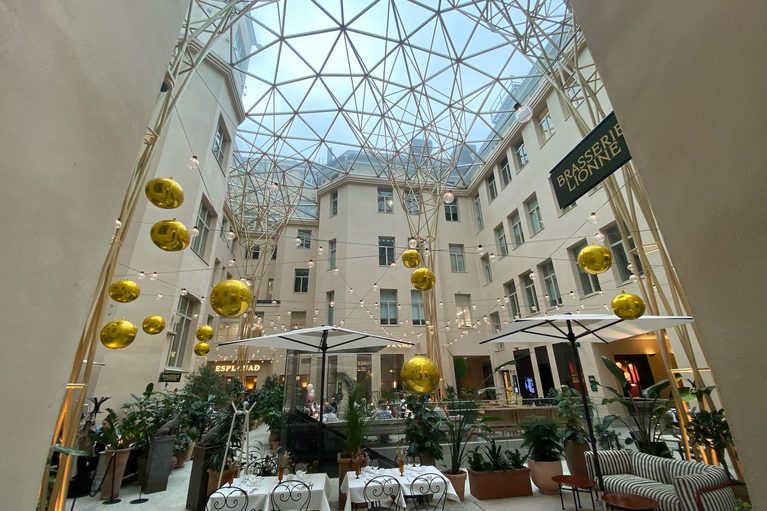
Structural Engineering for an Award-Winning Heritage Property: Covering the Courtyard and Developing Commercial Premises at Pohjoisesplanadi 37
The courtyard covering and development of new commercial premises at Pohjoisesplanadi 37 in the heart of Helsinki has received several industry accolades, including the Rakentamisen Ruusu (Rose of Construction) Award 2026 and Steel Structure of the Year award 2025. Sustera was responsible for the project's structural engineering design.
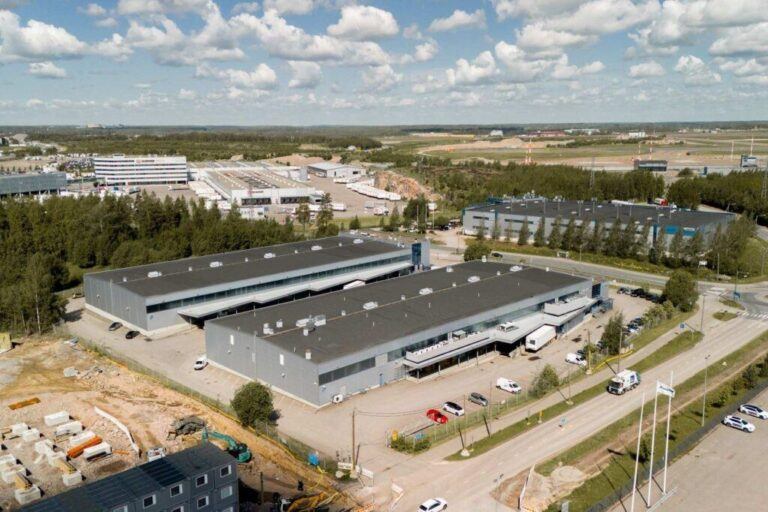
Aktiivitilat: Sustera’s technical management enabled greater focus on client work
Smooth day‑to‑day operations through technical management As the technical manager, Sustera is…

Brf Vega Garden – a successful collaboration from start to finish
The project, commissioned by OBOS Kärnhem, comprises modern homes designed with long‑term…