AkvaCity: LEED Platinum for Turku’s First Timber Office Building
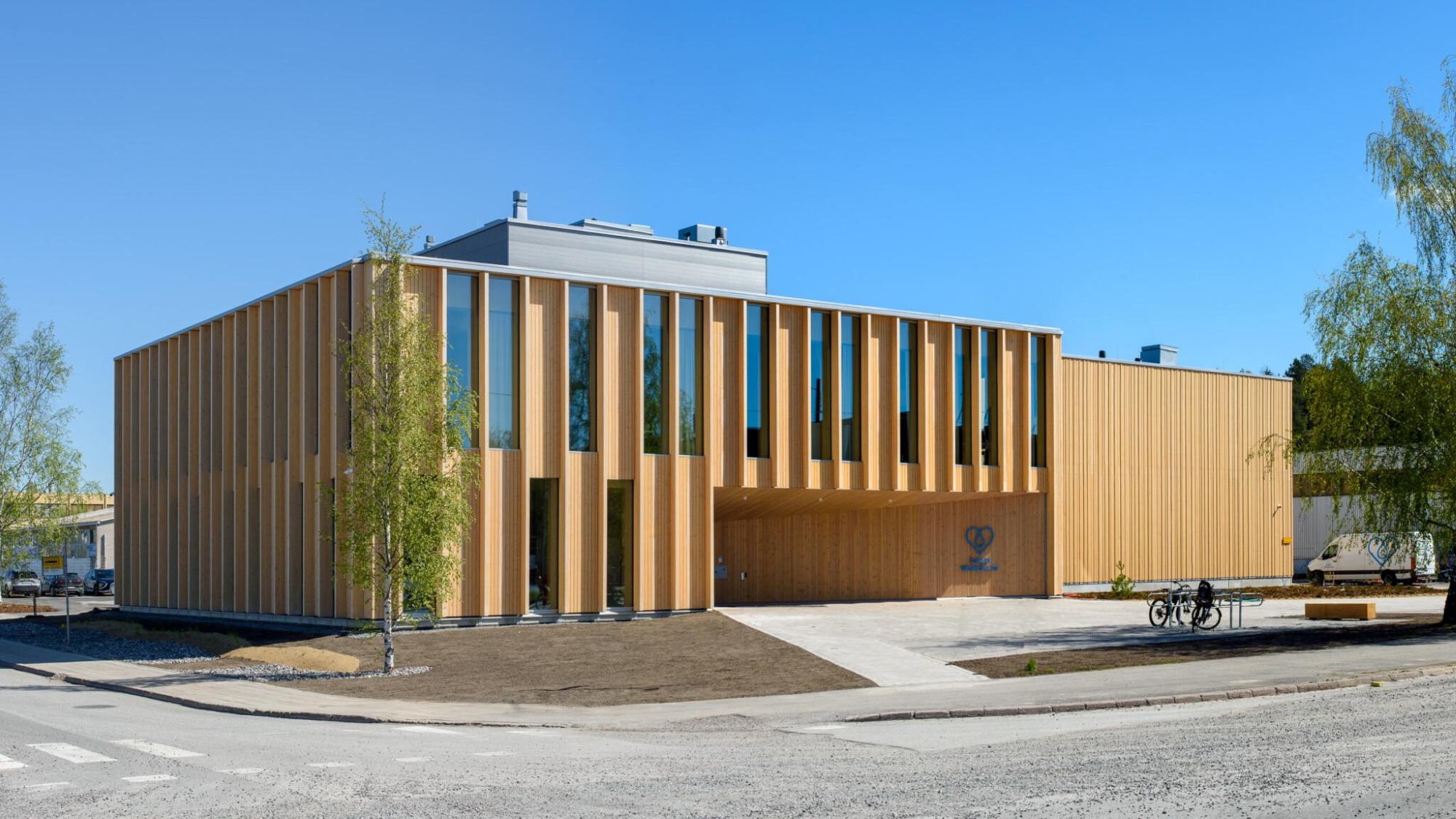
Turku Technology Properties developed AkvaCity, a timber office building in Turku. In addition to achieving LEED Platinum certification, the project achieved an Energy Class A rating and a significantly lower carbon footprint than comparable office buildings.
Contents
Ambitious sustainability targets
Turku Technology Properties set ambitious sustainability targets for the AkvaCity project. The objectives for AkvaCity included achieving LEED Platinum certification, compliance with the EU Taxonomy, an Energy Class A rating, and the lowest possible carbon footprint.
“Bold targets established a strong framework for guiding the project’s design solutions,” says Miika Tuominen, Construction Director at the company.
Sustera guided the project’s LEED certification process and conducted indoor air quality measurements. In addition, we provided EU Taxonomy and carbon footprint consultancy, as well as E-value optimisation and energy performance certificates. The project was built in the Itäharju district of Turku.
LEED Platinum exceeded by two points
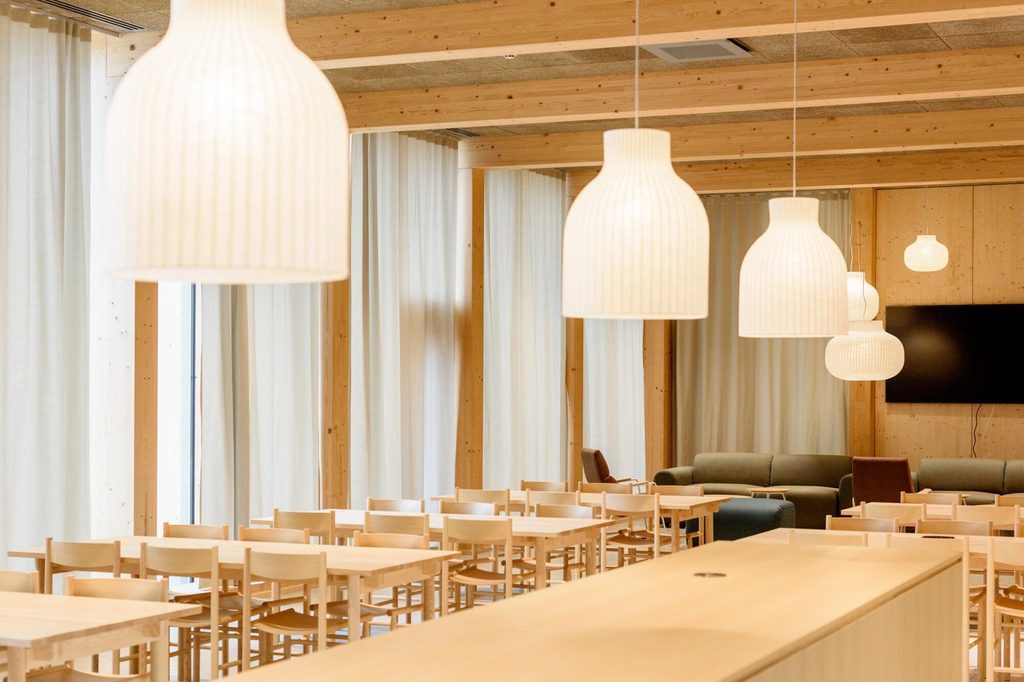
AkvaCity exceeded the 80-point threshold required for LEED Platinum certification by two points. Credits were earned through energy-efficient building services systems, a large solar photovoltaic installation, comprehensive energy metering, and water-efficient plumbing fixtures.
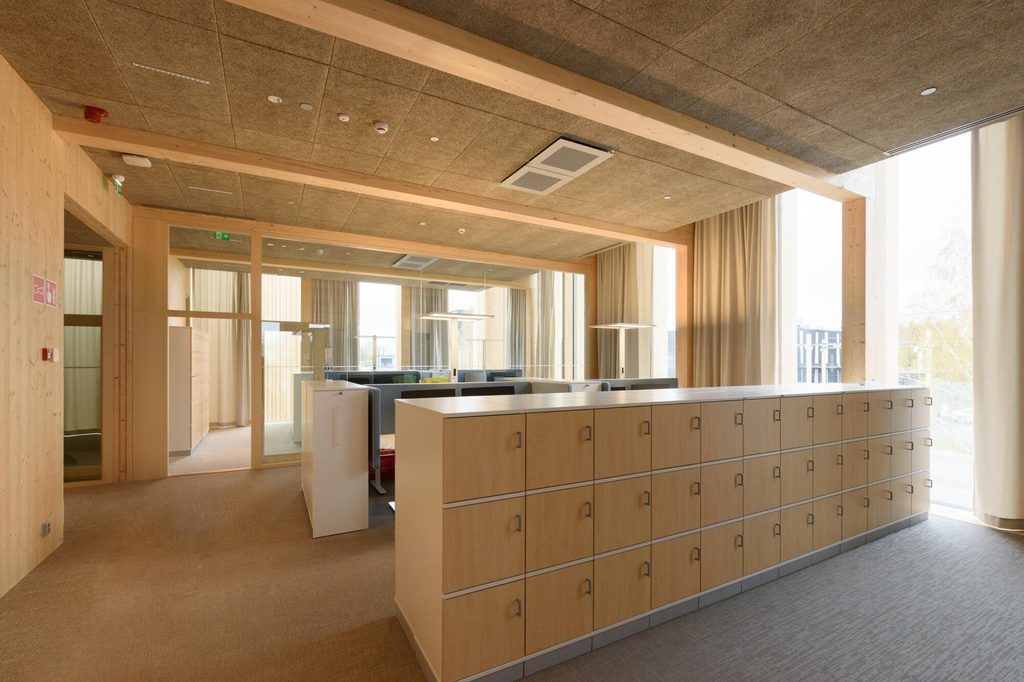
Additional credits were awarded for low-VOC materials, comprehensive commissioning, views from the office spaces, access to natural daylight, and high-quality colour rendering in the lighting design. Carbon offsetting contributed two points, although the project would have exceeded the Platinum threshold even without it.
The project also achieved compliance with the EU Taxonomy, which, alongside LEED, guided areas such as waste recycling.
Energy Class A achieved across the entire project
AkvaCity’s target was to achieve an Energy Class A rating, which was already attained in the hall section of the building from the outset. The office section initially had an E-value of 89 kWh/m²/a, placing it in Energy Class B.
To improve the E-value, we assessed various alternatives. The E-value was improved by modifying the ventilation system, introducing more energy-efficient lighting, and optimising the solar PV system.
However, the most significant impact came from reducing the glazed area. Initially, almost the entire façade of the office section was glazed. The glazed area was subsequently reduced by approximately 40 per cent. As a result, the office section achieved an E-value of 69 kWh/m²/a, securing an Energy Class A rating.
Low carbon footprint
Thanks to timber being selected as the primary construction material, AkvaCity had a favourable carbon footprint of 18.6 kgCO₂e/m²/a from the outset. The carbon footprint was further reduced by decreasing the glazed area. Energy-efficiency optimisation contributed additional reductions.
The final carbon footprint was 16.1 kgCO₂e/m²/a.
“Carbon footprint calculations played a major role in guiding the design process. It involved continuous comparison and optimisation of alternative design solutions. This was the first time I had seen emissions become such a significant factor in guiding design decisions. That is the future,” says Tuominen.
Exceptional sustainability performance
Collaboration and commitment to the project objectives were excellent throughout the project. Sustera took overall responsibility for guiding AkvaCity’s sustainability effortsand advising the design team. The designers incorporated the requirements into their designs, while Jatke Länsi-Suomi Oy was responsible for delivering the project as the main contractor.
One of the cornerstones of the project’s success was its calculation-based approach to decision-making. Rather than verifying or estimating outcomes, we calculated the actual impacts of different proposed measures on indicators such as the carbon footprint and E-value.
Sustainability was exceptionally prominent throughout the AkvaCity project.
“We are extremely pleased with how Sustera and Jatke took ownership of this.”
Images: Sarc + Sigge Arkkitehdit Oy
Read also
AkvaCity: LEED Platinum for Turku’s First Timber Office Building
Turku Technology Properties developed AkvaCity, a timber office building in Turku. In addition to achieving LEED Platinum certification, the project achieved an Energy Class A rating and a significantly lower carbon footprint than comparable office buildings.
Praise for the Geolo Team in Raisio, Finland: “The Collaboration Was Exactly What You Would Hope for from a Service Like This”
Sustera’s ground source heat pump solution, Geolo, improved conditions at the Tiedonpuisto School construction site and reduced its emissions. Geolo provided cooling during the summer as well as greater certainty regarding the schedule and material drying.
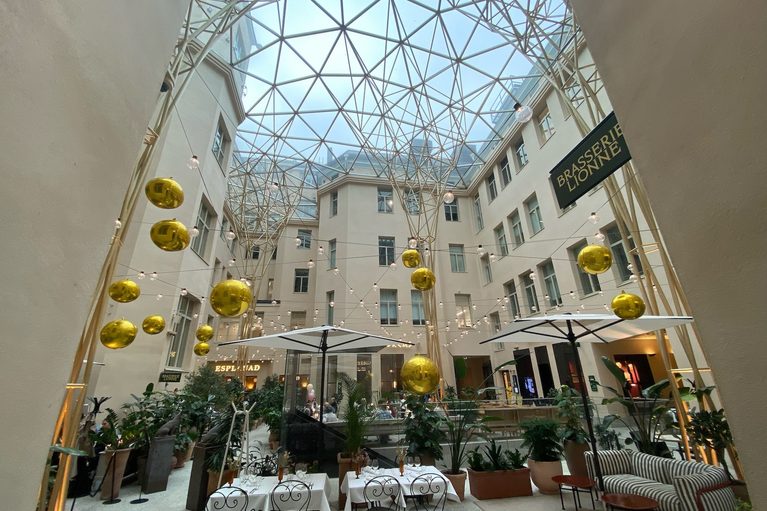
Structural Engineering for an Award-Winning Heritage Property: Covering the Courtyard and Developing Commercial Premises at Pohjoisesplanadi 37
The courtyard covering and development of new commercial premises at Pohjoisesplanadi 37 in the heart of Helsinki has received several industry accolades, including the Rakentamisen Ruusu (Rose of Construction) Award 2026 and Steel Structure of the Year award 2025. Sustera was responsible for the project's structural engineering design.