9 Simple Tips to Save Energy at Home
Your household energy use is shaped by everyday choices. Our energy expert, Tatu Vihro, shares nine practical tips to help make your home more energy-efficient, cutting both your environmental footprint and your energy bills.

Contents
1. Monitor your electricity consumption
By shifting your electricity use away from peak times, you can benefit from lower electricity tariffs. If you notice unusual spikes in consumption, consider the possible causes. Are they due to faulty appliances? Or could household habits be improved? Always switch off devices when they’re not in use. Televisions and computers, for example, still consume power in standby mode.
2. Heat only when necessary
The ideal indoor temperature is between 20 and 22 degrees Celsius. Lowering your home’s temperature by just one degree can reduce annual heating energy needs by around 5%. Rooms used less frequently can be kept cooler by simply closing their doors. If you’re away for a while, such as on holiday, reduce the overall temperature by a few degrees. For storage rooms, garages, cottages, or other rarely used spaces, a maintenance temperature of 7–12°C is sufficient.
3. Prevent heat loss
Ensure that furniture does not block radiators or thermostat sensors, as this can prevent heat from circulating properly. Curtains and blinds can reduce heat loss to a degree comparable to adding an extra pane of glass. Adjusting your heating system’s base settings correctly can cut heating energy use by 10–15%.
4. Use supplementary heating wisely
Only use underfloor heating when necessary. This can cut bathroom heating costs by up to 50%. The floor should feel comfortably warm underfoot, not hot. Instead of using floor heating to dry water after showering, use a squeegee. When it comes to the sauna, share the heat and enjoy it together.
5. Make use of a heat pump
Air-source heat pumps are more efficient than other types of space heaters. Set your other room heaters 3–4 °C lower than the heat pump’s setting. Remember to maintain and adjust the pump regularly. In warmer seasons, only use the cooling function after reducing indoor heat build-up with curtains, blinds, and night-time ventilation.
6. Maintain good ventilation
Keep the incoming air temperature a few degrees below room temperature, ideally between 15 and 18°C during the heating season. Cooler supply air mixes better with room air. Clean ventilation filters and vents regularly. Take advantage of your system’s timer and fan speed controls. Never switch off ventilation completely, as it is vital for both your health and the condition of your building. Replace worn window and door seals if needed, but ensure sufficient replacement air. Use your cooker hood sparingly, it can extract all the warm air from your home within an hour.
7. Save water and monitor your usage
Flow rates of around 12 litres per minute are sufficient for showers and kitchen taps, and 6 litres per minute for hand basins. You can reduce flow either centrally with a pressure regulator or locally with flow restrictors and water-saving showerheads. New toilets use less than half the water of older models. Aim to keep showers under five minutes. A five-minute shower uses about 2.5 kWh of energy, amounting to roughly 900 kWh per year.
8. Pay attention to lighting
Replace incandescent bulbs with LEDs and only keep lights on when needed. Consider installing lighting systems with timers or motion sensors.
9. Manage cold storage efficiently
Leave space around fridges and freezers for air to circulate. Cramped placement can double their energy use. Defrost freezers regularly if they don’t have an automatic defrost function. Avoid opening the fridge or freezer unnecessarily.
Read also
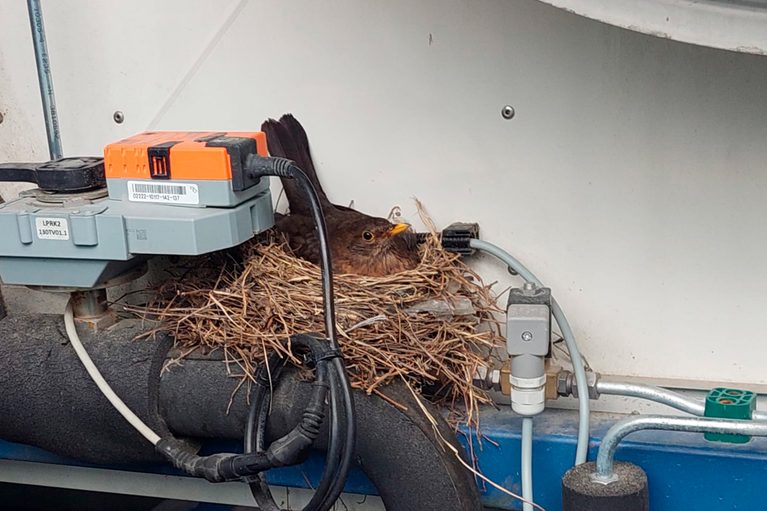
Praise for the Geolo Team in Raisio, Finland: “The Collaboration Was Exactly What You Would Hope for from a Service Like This”
Sustera’s ground source heat pump solution, Geolo, improved conditions at the Tiedonpuisto School construction site and reduced its emissions. Geolo provided cooling during the summer as well as greater certainty regarding the schedule and material drying.
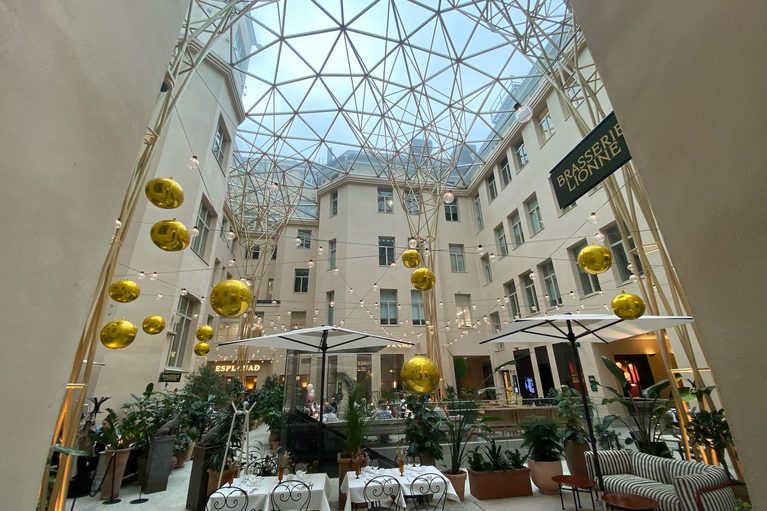
Structural Engineering for an Award-Winning Heritage Property: Covering the Courtyard and Developing Commercial Premises at Pohjoisesplanadi 37
The courtyard covering and development of new commercial premises at Pohjoisesplanadi 37 in the heart of Helsinki has received several industry accolades, including the Rakentamisen Ruusu (Rose of Construction) Award 2026 and Steel Structure of the Year award 2025. Sustera was responsible for the project's structural engineering design.

Aktiivitilat: Sustera’s technical management enabled greater focus on client work
Smooth day‑to‑day operations through technical management As the technical manager, Sustera is…